
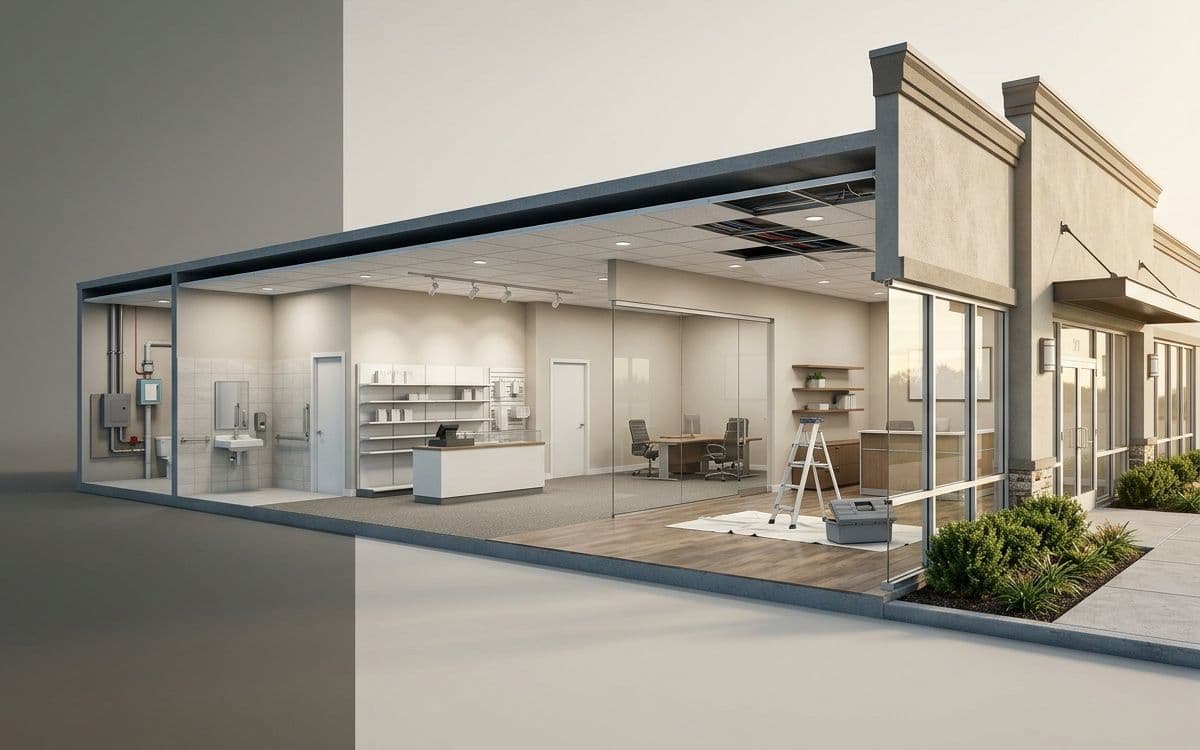
The turnaround is the whole game. Every day the unit sits empty is rent you never get back, and the order you do the work in decides how many of those days there are.
Sequence matters more than speed
The most common way a make ready runs long is not slow work. It is work done in the wrong order, so something has to be redone. Paint before flooring. Repairs before paint. Deep clean last, always.
The other classic is scheduling three separate trades across three separate weeks because nobody made one list at the start. Walk the unit once, write everything down, and price it as one job.
The walkthrough list
Structure and safety first. Anything that fails an inspection or creates liability happens before anything cosmetic. Smoke detectors, handrails, loose treads, exterior door locks and deadbolts, window operation.
Then the repairs. Drywall patching where furniture and picture hooks have marked the walls, door adjustment where frames have moved, and any fixture replacement that will otherwise generate a maintenance call in month two. A dripping faucet you leave in place is a call out you have already booked.
Then paint. Repainting after the patching, never before. A neutral that you can touch up rather than repaint entirely is worth more over three tenancies than a colour you liked once.
Then floors. A specialist clean where the carpet has life left, replacement where it does not. Be honest about which: carpet that cleans up acceptably but still looks tired costs you on viewings. We do not clean carpets, but we will tell you which of the two a floor needs.
Clean last. Not before the trades leave. Every time.
The items that cost you a vacant week
Some jobs have long lead times and will hold the whole turnaround if you leave them late. Anything needing a permit. Anything needing a part ordered in. Cabinet or countertop work. Flooring that has to be ordered rather than pulled off a shelf.
Identify those on the first walkthrough and start them first, even if they are lower priority cosmetically. Everything else can be compressed. These cannot.
Portfolio work is different from one off work
If you run several units, the economics change. Batching turnarounds, standardising paint colours and fixtures across a portfolio, and having one person who already knows the buildings cuts both cost and calendar. That is most of what our commercial and rental work actually is.
Geography matters here too. Rental stock is concentrated in the northeast corridor, and turnarounds in Converse, Live Oak, Schertz and Kirby are a large share of what we do. Because the rate is the same across the whole radius, a portfolio spread over those four costs the same per unit as one next door to us, which is not true of most competitors.
Need this doing rather than reading about it?
Uncle Sam Handyman LLC covers a 35 mile radius at one rate, with a free written estimate before any work starts.